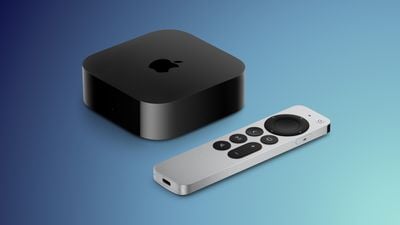
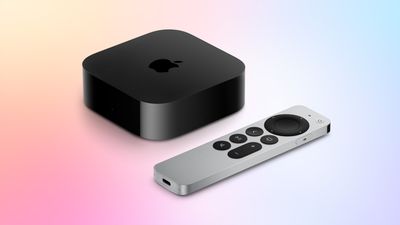
Apple's new Apple TV 4K uses an A19 chip with one efficiency core disabled, according to system diagnostic data shared by code explorer pdfu. That suggests a five-core CPU with two performance cores and three efficiency cores, compared with the six-core CPU in the iPhone 17.
The reported maximum clock speeds are 4.26GHz for performance cores and 2.592GHz for efficiency cores, with a five-core GPU reaching 1.47GHz. (These are maximum frequencies, not measurements of sustained performance.) Apple is likely using binned chips, where the disabled core is defective. The company used a similar configuration in the 2022 Apple TV 4K, whose A15 chip also had one CPU core disabled.
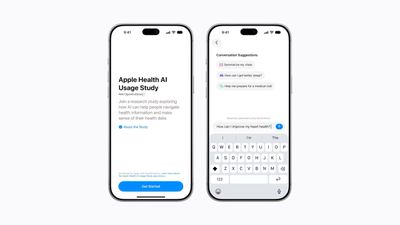
Apple on Sunday announced the launch of an Apple Health AI Usage Study that gives participants access to a dedicated iPhone app that answers everyday health questions using medical research and, optionally, their own Health app data.
Conducted in collaboration with clinical AI company OpenEvidence, the U.S.-only study will examine how people understand and evaluate AI-generated health information, what makes them trust it, and whether it can help them prepare for appointments with their doctors.
"At Apple, we believe responsible innovation starts with scientific rigor and clinical grounding. Health is deeply personal, and conducting a dedicated research study is the most thoughtful way to understand how people engage with, comprehend, and evaluate health AI in everyday life," said Sumbul Desai, M.D., Apple's vice president of Health and Fitness. "Insights from this study will help advance the broader scientific conversation and ensure that as technology evolves, we continue building trusted tools that genuinely support people wherever they are on their health journey."
The app combines OpenEvidence's technology with an Apple-designed research experience, where responses include links to peer-reviewed clinical sources, with information drawn from publications like The New England Journal of Medicine, JAMA, and Nature. Apple says the app presents complex medical information in approachable language.
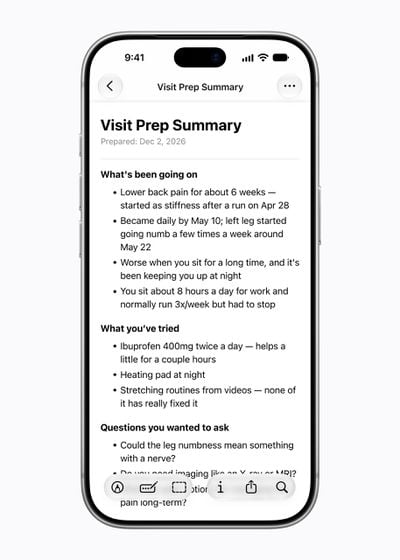
Participants can choose to share data such as their resting heart rate, activity, sleep, and lab results through HealthKit. The idea is for it to allow researchers to explore whether incorporating personal health information makes answers more relevant and easier to understand. Apple says the app can also help users put Health data in context, understand symptoms or conditions, and build personalized exercise or meal plans.
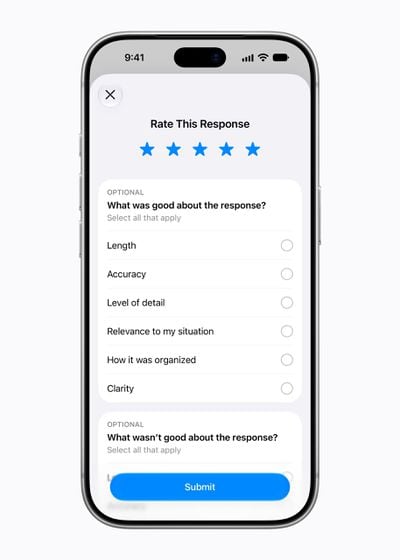
Users can rate responses and complete occasional surveys about their experience, and all questions undergo processing designed to remove identifying information before reaching OpenEvidence, which deletes question-and-response data within 24 hours. Apple says study data will not be used to train AI models, and participants control whether they share HealthKit metrics or survey responses.
"Patients and clinicians are both turning to AI, but the tools they use are being built and tested in separate worlds," said Robert M. Wachter, M.D., UCSF's professor and chair of the Department of Medicine. "When patients and doctors draw on versions of the same trustworthy tools, patients arrive prepared, conversations improve, and next steps happen seamlessly. Connecting these tools, and rigorously studying what works, is how we'll get there."
Apple is keen to stress that health tools powered by large language models can give incomplete or unclear answers, and the app includes safeguards that are meant to detect certain concerning questions and direct users toward a healthcare provider or other resources. The study isn't intended to diagnose or treat conditions, or replace advice from medical professionals.
The study is open to up to 200,000 eligible U.S. residents aged 21 and older with an Apple Intelligence-enabled iPhone running iOS 26 or later. If you're eligible and interested, download the Apple Health AI Study App from the App Store to learn more.
Apple on Monday will add a video podcasts section to the Apple TV app, bringing it to more than 1 billion devices that have the app, reports The New York Times. The new video podcasts section will likely arrive in iOS 27.3 beta 2 for developer testing.
"We want podcasts to be available wherever people want to enjoy them — the small screens, big screens," VP of services, Oliver Schusser, told NYT. "It's really about discovery and helping the creators to reach a new audience. We didn't approach this in a way that would financially benefit us." Apple also plans to increase the number of video podcasts on its regular Podcasts app, according to the publication.
Note: MacRumors is an affiliate partner with some of these vendors. When you click a link and make a purchase, we may receive a small payment, which helps us keep the site running.
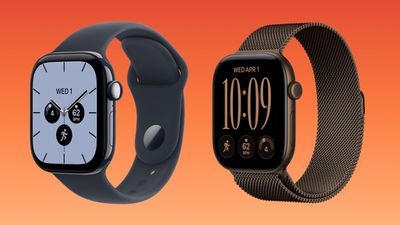
You can get the 42mm GPS Apple Watch Series 12 for $329.00 at Amazon and the 46mm GPS model for $379.00 at Best Buy, both of which are $70 discounts and new all-time low prices. Amazon's selection of colors and styles is limited as of writing, while Best Buy has more options on sale.
Amazon also has both Dark Bronze Milanese Loop models on sale for new record low prices today, starting at $379.00 for the 42mm GPS model and increasing to $429.00 for the 46mm GPS model.
We've created a big list of more Apple Watch Series 12 models on sale below, including Titanium and Ceramic options at new best-ever prices. Remember that Best Buy is matching these deals as well if you prefer to shop there.
If you're on the hunt for more discounts, be sure to visit our Apple Deals roundup where we recap the best Apple-related bargains of the past week.
Deals Newsletter
Interested in hearing more about the best deals you can find this holiday season? Sign up for our Deals Newsletter and we'll keep you updated so you don't miss the biggest deals of the season!
Apple plans to unveil its first smart glasses at WWDC in June 2027 and begin shipping them before the end of the year, according to Bloomberg's Mark Gurman.
In the latest edition of his "Power On" newsletter, Gurman shared new details about the glasses' design, charging system, and Siri features.
Current prototypes of the glasses, internally code-named "N50," are reportedly slightly thinner than Meta's second-generation Ray-Bans. Some test units have oval camera openings integrated into the frame without protruding housings. A front light indicates use or charging, while Apple is experimenting with additional privacy features.
Apple is apparently developing multiple styles and colors, with an emphasis on materials, sensors, and audio quality. Employees have described the sound as "industry-leading," with the glasses supporting music playback, calls, and FaceTime audio.
Testers can also charge the prototype glasses while wearing them. A flat, three-pin magnetic connector, "roughly the size of a Tic Tac," attaches near the end of the left temple arm. Gurman said it remains unclear whether Apple will use this charging system in the shipping product.
The first model will not display augmented reality imagery. Wearers will interact through Siri, which will use the cameras to answer questions about their surroundings.
Planned uses include identifying buildings, suggesting meals based on ingredients in a refrigerator, providing directions, and translating signs and conversations. Apple also intends to support calls, messages, iPhone notifications, calendars, standard and visual reminders, music controls, and smart home controls.
To support the glasses, developers will need to let Siri control specific features in their iPhone apps. Apple envisions tasks such as booking restaurant tables, requesting rides, ordering coffee, shopping, and purchasing movie tickets working on the device.
Developers will not need to create separate apps for the glasses. Their software will run on a paired iPhone, with the two devices working together to fulfill requests. Current plans require a recent iPhone model, with no Android support. The paired phone will compensate for the glasses' limited processing power and memory.
Wi-Fi will allow certain functions outside third-party apps to remain available without a nearby iPhone. Gurman suggested audio playback could theoretically continue over Wi-Fi, although the glasses will not function as a fully independent device.
Internal prototypes purportedly run a reduced version of visionOS 28 and contain a processor derived from older Apple Watch chips. Other custom components handle wireless connectivity and process images as the cameras capture them.
Apple began introducing the necessary Siri controls in this month's first iOS 27.3 beta, enabling more precise control of app actions. Originally demonstrated in 2024, the capability has been rebuilt using newer AI models. Apple plans to release support for its own apps in December, followed by third-party support in 2027.
Apple wants developers to prepare those integrations before the glasses arrive and continues to target a WWDC announcement next year. The company sees access to its existing app ecosystem as a major selling point against rival smart glasses.
The device will also overlap with camera-equipped AirPods, which remain scheduled for launch in late 2027 and will also provide Siri with information about the user's surroundings. The glasses should offer longer battery life and accommodate more sensors, with Apple seeing the potential for them to be worn throughout the day.
Work on the glasses started in the early 2020s, and Apple is said to have largely settled on the hardware. The remaining obstacles involve software and AI, which Gurman said are running late and could delay the planned 2027 launch.
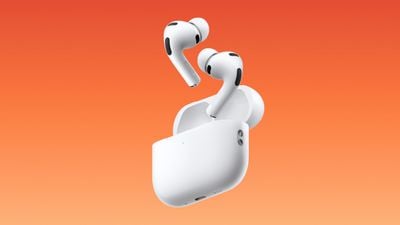
One of the best early Black Friday deals has arrived today, with Amazon discounting the AirPods Pro 3 down to $179.99, from $249.00.
Note: MacRumors is an affiliate partner with Amazon. When you click a link and make a purchase, we may receive a small payment, which helps us keep the site running.
This is just $0.99 higher compared to Amazon's previous record low price on the AirPods Pro 3, and Amazon provides free delivery dates around November 20, or overnight deliveries for Prime members.
The AirPods Pro 3 are one of many Apple products with early Black Friday deals, also including MacBook Air, AirTag, Apple Watch, and more. If you're on the hunt for more discounts, be sure to visit our Apple Deals roundup where we recap the best Apple-related bargains of the past week.
Deals Newsletter
Interested in hearing more about the best deals you can find this holiday season? Sign up for our Deals Newsletter and we'll keep you updated so you don't miss the biggest deals of the season!
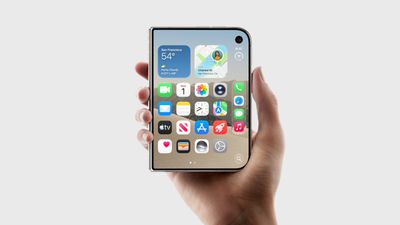
Bloomberg's Mark Gurman today said Apple has four goals for future iPhone Duo models: Face ID, an Action button, a telephoto camera, and a thinner-and-lighter design. Gurman said Apple has already developed iPhone Duo 2 prototypes with Face ID on the outer display, but it is "running out of time" to finalize the feature for that model, so it might not arrive until the iPhone Duo 3.
Black Friday is now less than two weeks away, taking place on Friday, November 27 in 2026. As always, this will be the best time of the year to shop for great deals, including popular Apple products like AirPods, iPad, Apple Watch, and more.
Note: MacRumors is an affiliate partner with some of these vendors. When you click a link and make a purchase, we may receive a small payment, which helps us keep the site running.
Specifically, in this article we're sharing all of the Apple products that currently have all-time low prices, or discounts that are at least close to their record-low prices. Of course, these are early Black Friday deals, so even better discounts could emerge later in the month, but if you're shopping right now these are all the best prices around.
Table of Contents
You can use the links below to jump directly to the section you're shopping for today.
You can get the 42mm GPS Apple Watch Series 12 for $329.00 at Amazon and the 46mm GPS model for $379.00 at Best Buy, both of which are $70 discounts and new all-time low prices. Amazon's selection of colors and styles is limited as of writing, while Best Buy has more options on sale.
Amazon also has both Dark Bronze Milanese Loop models on sale for new record low prices today, starting at $379.00 for the 42mm GPS model and increasing to $429.00 for the 46mm GPS model.
We've created a big list of more Apple Watch Series 12 models on sale below, including Titanium and Ceramic options at new best-ever prices. Remember that Best Buy is matching these deals as well if you prefer to shop there.
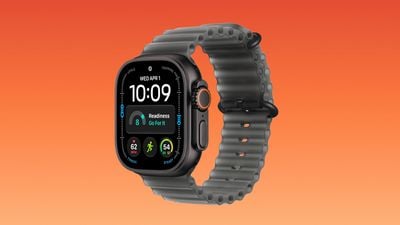
The Apple Watch Ultra 4 has dropped to $699.99 on Amazon in one of the most notable early Black Friday discounts, down from $799.00. This is a match of the all-time low price on the new Ultra 4, which just launched in September.
If you're shopping for a Milanese Loop model, Amazon also has a $99 discount on one of these devices. There are five regular models on sale and two Milanese Loop models, and most have delivery dates of early November on Amazon.
Regarding the previous-generation models, Best Buy this week has a big collection of Apple Watch Ultra 3 models for $549.00, down from $799.00. This is a massive $250 discount on the previous-generation device, and it represents a new all-time low price on these models.
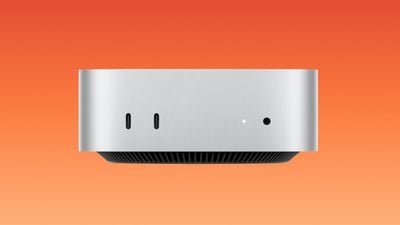
Apple's new Mac mini has had one of the most consistent discounts over the past few weeks, and these $119-$150 markdowns have continued into Black Friday season. Prices start at $779.00 for the entry-level model, and currently include every M6 model, plus the M5 Pro model.
Additionally, one of the best early Black Friday deals is on the M5 Max Mac Studio with 36GB RAM and a 512GB SSD, on sale for $2,299.00, down from $2,499.00.
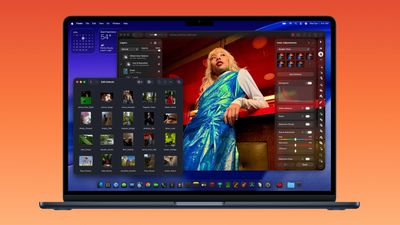
Amazon is taking $199 off nearly every model of the M5 MacBook Air this week, with matches of the best post-hike prices we've ever seen on the computer. Prices now start at $1,099.99 for the 512GB 13-inch model and $1,299.99 for the 512GB 15-inch model.
For the 15-inch M5 MacBook Air models, prices start with the 16GB/512GB model for $1,299.00, down from $1,499.00. You can also get the 16GB/1TB model for $1,549.99, down from $1,799.00, which is a $250 markdown and another all-time low price for Black Friday.
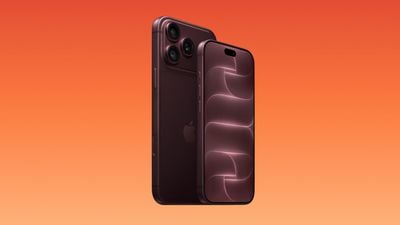
Cellular carriers have always offered big savings on the newest iPhone models during the holidays, and Black Friday 2026 sales have kicked off at AT&T and T-Mobile, as well as Best Buy. Right now we're tracking notable offers on the iPhone 18 Pro, iPhone 18 Pro Max, and iPhone Duo. For even more savings, keep an eye on older models during the holiday shopping season.
iPhone Duo: Up to $1,200 off with eligible trade-in
Apple Watch SE 3: No cost (up to $300) when adding a watch line on a qualifying plan, or get $250 off any Apple Watch when picking up another Apple Watch
T-Mobile is offering the iPhone 18 Pro and iPhone 18 Pro Max for up to $1,200 off when you trade in an old device (in any condition) and purchase the new device on an eligible unlimited plan. You can also get this offer if you switch a line to Experience Beyond 2.0, Experience Beyond, or Go5G Next.
For anyone shopping for the iPhone Duo, you can get up to $1,200 off the iPhone Duo with any condition trade-in on an Experience Beyond plan. This discount will appear in the form of bill credits over the course of 36 months.
Similarly, if you're on the Experience More or Experience Beyond plan, you can get up to $830 off with a trade-in, and up to $730 off with a new line on most other plans. All of these offers have the same payout schedule over the course of 36 months.
iPhone Duo: Up to $1,200 off with eligible trade-in
Over at AT&T, you can get the iPhone 18 Pro and iPhone 18 Pro Max for up to $1,200 off with an iPhone trade-in in any condition. You'll need to upgrade with AT&T Next Up Anytime or switch to get this offer.
Additionally, new and existing customers can get up to $1,200 off the iPhone Duo with an eligible trade-in. If you're switching to AT&T, the carrier will give you up to $800 to pay off your current device balance, and you can save $200 per line when ordering the smartphone online.
In regards to the main offer of up to $1,200 off the iPhone Duo, AT&T says this requires an eligible trade-in of $230 or more, alongside activation of a new line or upgrading an existing line. You'll get this credit over the course of 36 months on your AT&T bill.
You can find the breakdown of each plan tier from AT&T below, and remember that they each require a trade-in as well.
Up to $1,200 off iPhone Duo: requires AT&T Premium 2.0 plan or higher / trade-in value of $230 or more
Up to $930 off iPhone Duo: requires AT&T Extra 2.0 plan or higher / trade-in value of $130 or more
Up to $500 off iPhone Duo: requires Value 2.0 plan / trade-in value of $130 or more
Up to $350 off iPhone Duo: requires any eligible unlimited plan / trade-in value of $35-$129
If you switch to AT&T from a different carrier, AT&T will pay off your phone balance at up to $800 off per line. With the $1,200 offer, AT&T is offering the 256GB iPhone 18 Pro at no cost.
iPhone Duo: Up to $1,200 off with qualified activation and trade-in
Carriers aren't the only place you can save on iPhones this year, with Best Buy offering the same discounts as AT&T and T-Mobile with activation through these carriers at the time of purchase. This is a great option for anyone who shops at Best Buy a lot and likes to rack up member reward points.
Similar to the carriers, you can get the iPhone 18 Pro models and iPhone Duo for up to $1,200 off with qualified activation on cellular plans and a trade-in of an older device. Best Buy supports activation through AT&T and Verizon.
iPhone Cases
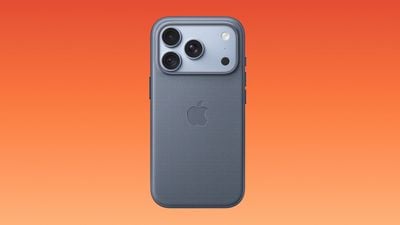
Amazon this week has big discounts across Apple's Clear, Silicone, and TechWoven Cases for the iPhone 18 Pro lineup. Across the board these are the best prices we've tracked to date on the new cases for iPhone 18 Pro and iPhone 18 Pro Max. This time around the deals do not require any coupon codes to see the final sale prices.
If you're on the hunt for protection for your new iPhone Duo, we've also been keeping track of all the best cases and screen protectors for the new device. The catch with these accessories is that many of them are not on sale given how new the Duo is, but there are overall cheap options you can find on Amazon, plus a great buy two get 20% off deal at ZAGG.
Amazon has some notable TechWoven dupe cases on sale, available for $32.99, which is $50 cheaper than any of Apple's official iPhone Duo cases. Otherwise, you'll find the full list of retailers offering accessories for the iPhone Duo below.
Amazon - iPhone Duo cases from Spigen, Speck, ZAGG, and more
AT&T - Discounts on iPhone Duo cases and screen protectors from Speck, Spigen, and more
Best Buy - iPhone Duo cases from Dbrand, OtterBox, Spigen, Kate Spade, and more
Burton Goods - Save on leather cases for iPhone Duo
ESR - iPhone Duo Silicone Leather case with Flex Stand
Interested in hearing more about the best deals you can find during the holidays? You can sign up for our Deals Newsletter and we'll keep you updated so you don't miss the biggest deals of the season!
Apple's wild past few months are finally starting to slow down with the last of the big hardware launches coming this week.
Meanwhile, developers are continuing to optimize their apps for the all-new form factor of the iPhone Duo and Apple looks to shake up its internal iOS and macOS development to give engineers more time to explore and develop new features within the existing update cycles, so read on below for all of the details on these stories and more!
Top Stories
Apple Taking New Approach to Developing iOS 28 and macOS 28
In his Power On newsletter this week, he said Apple separates development of each year's new operating systems into three major stages. Typically, he said each stage consists of four weeks of coding followed by a four-week "convergence" period where new features are integrated into the operating systems.
This time around, Apple has made a change, extending the coding period of each stage to six weeks and compressing the convergence period to two weeks, giving engineers more time to come up with and explore ideas before having to lock them in. The change could allow Apple to move more quickly on feature development, part of a general shift toward trying to become more nimble under new CEO John Ternus.
'Apple Support Community' Permanently Closing on November 20
Longtime members of the community were blindsided by the move and left without an opportunity to post farewell messages to others in the community.
Apple Says More Than 100,000 Apps Optimized for iPhone Duo, Here's What's Still Missing
Apple last week announced that more than 100,000 apps have been optimized for the iPhone Duo, delivering full compatibility with the device's inner and outer displays. Despite the volume of apps that have been updated, a number of high-profile apps have yet to be optimized, but more and more are being updated each day.
The new form factor of the iPhone Duo opens up new possibilities for app functionality and layouts, and we've shared several rounds of fun new apps, innovative games and utilities, and more.
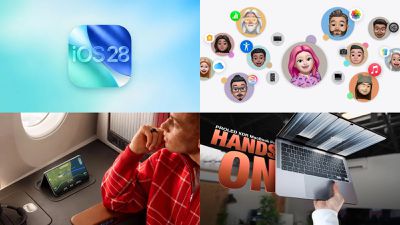
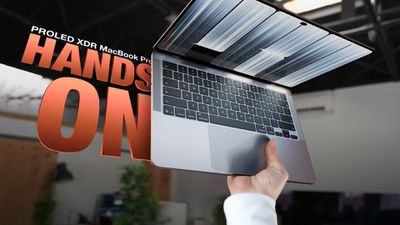
Hands-On With Apple's New OLED Touchscreen MacBook Pro, HomeView Smart Home Hub, and Apple TV
The touchscreen functionality arrives as part of a new display based on OLED technology, and the machine is significantly lighter than previous models while also delivering a number of other improvements. And yes, the long-lost lighted Apple logo on the lid has made a return!
Apple has historically tracked the "services attach rate" for retail employees, leading some to feel pressure to push the limits on signing customers up for trials without getting clear permission.
Apple has recently removed the attach rate metric for retail employees, though the company has said it is because the metric is less relevant for the holiday season when users are more often buying as gifts rather than for themselves, but the timing of the change is certainly convenient given the recent publicity.
The releases come as much more substantial 27.3 updates remain early in beta testing ahead of public releases next month.
MacRumors Newsletter
Each week, we publish an email newsletter like this highlighting the top Apple stories, making it a great way to get a bite-sized recap of the week hitting all of the major topics we've covered and tying together related stories for a big-picture view.
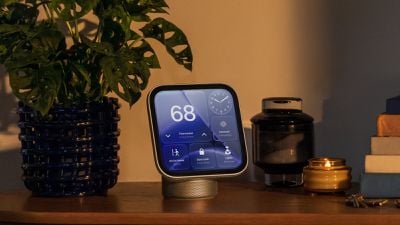
Apple's HomeView is out today, and we're finally learning all the little details about the new hub. We've rounded up a list of tidbits for those setting up a HomeView or thinking about getting one.
Sunglasses
Apple says the HomeView probably won't recognize you if you have your face covered, including when wearing sunglasses. If HomeView isn't identifying you, Apple suggests removing anything that would block the camera from seeing your face.
The HomeView's screen needs to be angled toward your face, you need to be centered in the frame and closest to the camera if other people are around, and the HomeView can't be blocked by overhanging shelves and cabinets. Apple says the HomeView needs front-facing, even light.
Mirror
There's a "Mirror" in the HomeView Control Center that lets you use the camera to see yourself. There's an option to turn on an edge light for face illumination, along with 1x and 2x zoom.
Guest Controls
The HomeView owner has multiple options for what guests can access.
Safari can be turned on or off, or adult websites can be blocked.
By default, guests can use Siri for general knowledge, writing help, and math help, but Siri features can be turned off.
Explicit content can be turned on or off.
There's an option to choose which Apple Music subscription supplies music for an unrecognized user.
Wi-Fi/Cellular
The HomeView authenticates people through face recognition and by making sure their iOS device is nearby, recently unlocked, and on the same Wi-Fi network as the HomeView. If there's a Wi-Fi outage, Apple says cellular can also be used to unlock personal content as long as it's in the same location and was recently on the Wi-Fi network.
Sleep Timer
You can set a sleep timer on HomeView to pause whatever media is playing when the timer goes off.
No Buttons
There is no button to turn the HomeView on or off, or restart it. It can be restarted from the Settings app or by briefly unplugging it.
Logins
You can log into websites and apps using your iPhone, similar to how the Apple TV works.
Notifications
The HomeView only has notifications for phone calls and home devices, with an option to toggle on critical notifications. There are no other notification settings or options.
Liquid Glass
The transparency of the Liquid Glass interface can be adjusted from clear to opaque like on iPhone, iPad, and Mac.
Personal Data Lockouts
If someone tries to repeatedly access personal content on HomeView that needs authentication, facial recognition via the camera is disabled and you'll need to prove identity with a registered device.
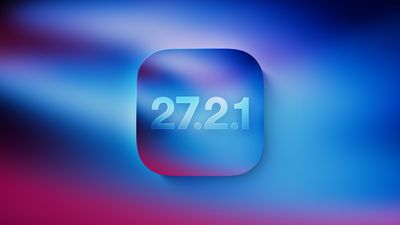
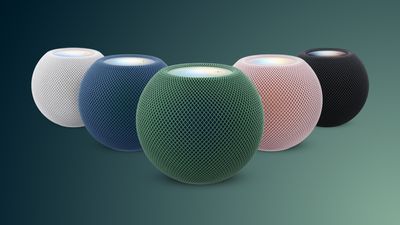
Apple today released HomePod software version 27.2.1, but it does not enable Siri AI on the HomePod mini 2. Apple's website continues to say the feature is "coming in a future software update," but it has not provided a timeframe.
Due to the HomePod mini 2 having only 2GB of RAM, well below the minimum 8GB of RAM required for dedicated Siri AI, personal context requests will require a paired Apple Intelligence–enabled iPhone or iPad with Siri AI turned on.
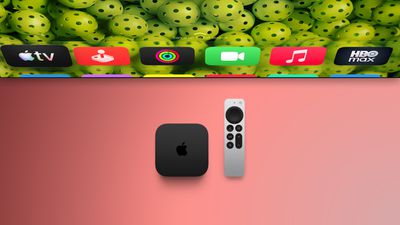
tvOS 27.2.1 was also released today, and it enables Siri AI on the Apple TV 4K (2nd generation) and Apple TV 4K (3rd generation). Siri AI is an opt-in feature on these devices, so after installing the update you will need to open the Settings app and tap on General → Siri → Siri AI (Beta). This will initiate a download with support.
If you update to tvOS 27.2.1 and take no further action, Siri Classic remains enabled by default.
Apple today released tvOS 27.2.1, an update to the tvOS 27 operating system that launched in September. tvOS 27.2.1 comes nearly three weeks after Apple released tvOS 27.2.
tvOS 27.2.1 brings Siri AI support to the 2nd- and 3rd-generation Apple TV 4K models, but it is available for all Apple TV 4K models that support tvOS 27.
Apple announced Siri AI for the Apple TV when debuting the 4th-generation Apple TV 4K. A separate tvOS 27.2 build activates Siri AI on the newest set-top box, but the older Apple TV 4K models will need the tvOS 27.2.1 update to get access.
Siri AI is the smarter, more capable version of Siri that Apple introduced earlier this year. Siri AI can play content, draw on personal context to offer suggestions, answer world knowledge questions, and complete tasks.
Using Siri AI on the Apple TV requires a paired Apple Intelligence-compatible iOS device, which includes the iPhone 15 Pro and later.
Apple TV users can download tvOS 27.2.1 by going to Settings > System > Software Update. Apple has also released a new HomePod Software 27.2.1 update for the HomePod and HomePod mini.
The ongoing Microsoft 365 outage is resolving after nearly 24 hours. The company said the underlying issue has been fixed and it is seeing "broad recovery and stability" across its services as it works to restore access to customers.
The Microsoft 365 downtime started at approximately 1 p.m. Eastern Time on Thursday. Customers could not access their Outlook email or use some features in Teams and Copilot. Exchange accounts in Apple Mail were also affected. Most calling, meeting, and messaging functions stayed online, but some users ran into errors scheduling meetings or adding calendar entries.
Businesses, educational institutions, and governments worldwide were impacted by the outage.
Microsoft apologized for the outage and said it was unrelated to a cyberattack or AI agents. It was caused by an issue introduced in an earlier network capacity upgrade. Microsoft said it will give a full incident report after completing a review.
We are deeply sorry for the disruption this incident has caused our customers and partners. We know the trust they place in our services and take that responsibility extremely seriously. We are seeing broad recovery and stability across our services.
This was a technical issue not related to cyber or AI / agents. The incident was introduced by an issue during an earlier network capacity upgrade that surfaced following a recent network change. We have addressed the underlying issue and continue to restore service to remaining customers and regions.
Given the scale of demand, we restored services gradually, validating stability at each stage. While this took longer, it helped ensure a stable restoration.
We will provide a full post-incident report once our review is complete.
Just over two weeks ago, Microsoft announced plans to eliminate thousands of jobs. The company offered voluntary buyouts to 60,000 people, or a quarter of its global workforce, presumably to cut costs while its AI spending grows.
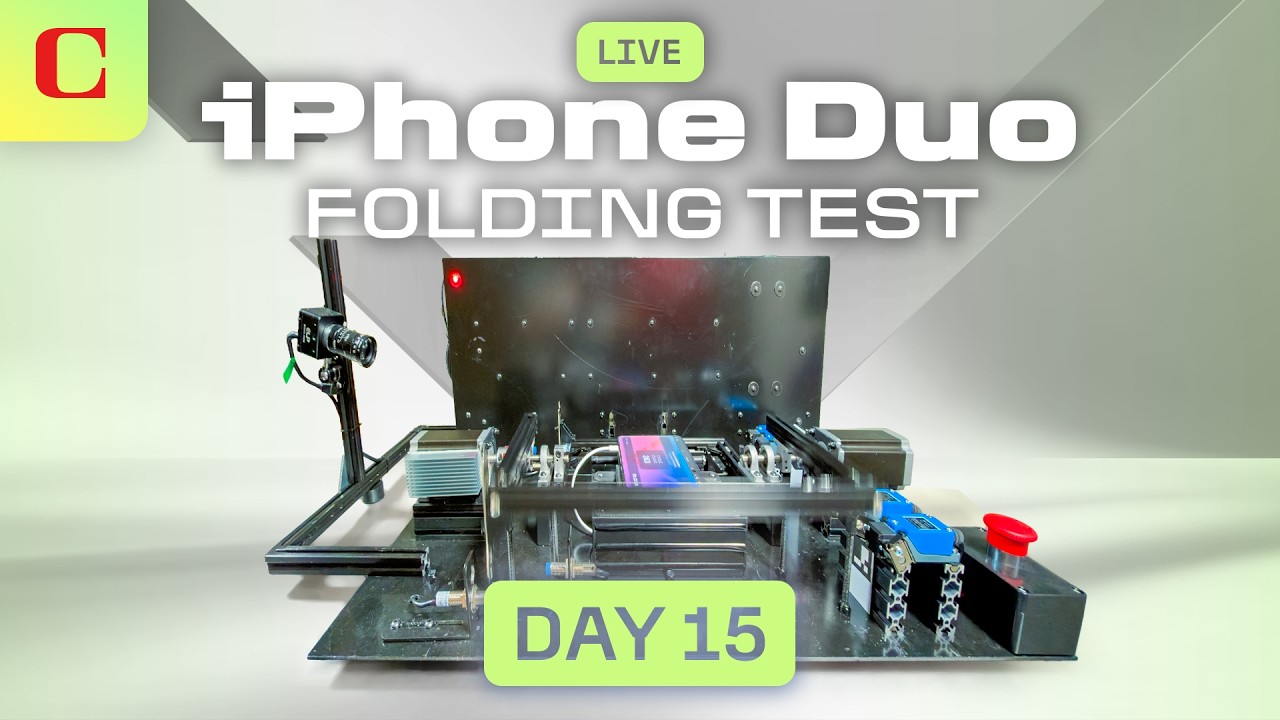
For the last three weeks, CNET has been stress testing the iPhone Duo's hinge on a livestream. After over 451,000 folds, the hinge is showing signs of wear.
CNET says the hinge started feeling looser at the 390,000-fold point, and by 440,300 folds, there was enough of a shift in the mechanism that the screen didn't open in full before the machine closed it again, and there was no distinctive snap. It is 5 to 10 degrees from the fully open state and can be opened fully by hand.
The wire we use to open the phone screen would withdraw before the screen was in the fully open position, but it would then sort of "coast" the rest of the way down. But between 12:30 and 1 a.m. this morning, around 440,300 folds, the screen would no longer have time to open all the way before the Fold-a-Phone caused it to close again.
The iPhone Duo hasn't been removed from the folding machine, and the test is continuing. CNET says the device is still operational and maintaining other screen positions, with no signs of cracking or other failure.
The site plans to continue folding the iPhone Duo until it hits predetermined failure conditions that include loss of power, sensors failing to detect the screen properly, and screen blackout.
Apple hasn't shared the results of iPhone Duo hinge testing it likely did internally, or given an estimated fold lifespan.
The iPhone Duo is equipped with OLED panels sourced from Samsung Display, and Samsung's screens have undergone certified third-party fold testing. The display used for the Galaxy Z Fold7 passed a 500,000-fold durability test. Apple probably isn't using an off-the-shelf Samsung display, but CNET's testing already suggests the iPhone Duo's OLED panel is on track to match.
The combination of the display and the strength of Apple's hinge design will determine lifespan. At around 450,000 folds, the iPhone Duo would last over a decade at 100 folds per day.
CNET's livestream will continue until the iPhone Duo fails. The livestream runs on weekdays from 10 a.m. Pacific until 2 p.m. Pacific.
Amazon today is back with a discount on the brand new A19 Apple TV 4K for launch day, available for $289.99, down from $299.00. This is a match of the pre-order discount we saw last week.
Note: MacRumors is an affiliate partner with some of these vendors. When you click a link and make a purchase, we may receive a small payment, which helps us keep the site running.
Amazon provides an estimated delivery date of tomorrow, November 14. Although only a $9 discount, this is the best price we've tracked on the device, and as of writing Amazon is the only place offering any sort of markdown.
For anyone who just wants to upgrade their existing Apple TV 4K with the new Find My-enabled Siri Remote, Amazon has that accessory for pre-order at $59.00. There's no discount on the Siri Remote, but if you purchase this without spending on an entirely new Apple TV 4K, you'll definitely be saving yourself some money.
If you're on the hunt for more discounts, be sure to visit our Apple Deals roundup where we recap the best Apple-related bargains of the past week.
Deals Newsletter
Interested in hearing more about the best deals you can find as we head into the holidays? You can sign up for our Deals Newsletter and we'll keep you updated so you don't miss the biggest deals of the season!
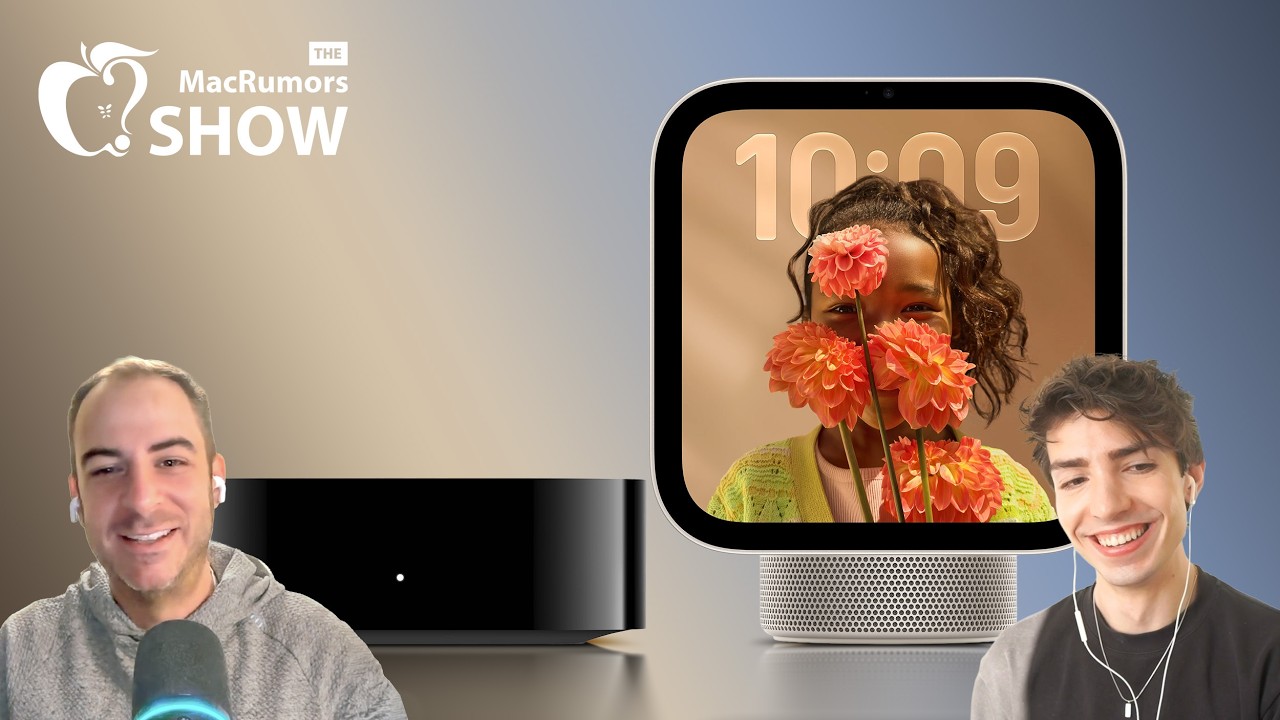
On this week's episode of The MacRumors Show, we share first impressions of Apple's new HomeView and Apple TV 4K, including their hardware, everyday usefulness, and experiences with Siri AI.
Following a week with the HomeView, Apple's new smart home device makes a strong impression with its build quality and sound, but leaves questions about how much it adds to a household already filled with Apple products. Its overlap with existing devices has already prompted some skepticism.
The 7-inch display may feel smaller in person, with its square aspect ratio and thick bezels contributing to an appearance reminiscent of a large Apple Watch. Sound quality from the tabletop model is a highlight, falling between the HomePod mini and full-sized HomePod. That also raises questions about the value of the wall-mounted version, which costs the same $299 before mounting accessories but lacks the larger speaker base.
In the kitchen, setting timers, playing music, answering questions, and controlling smart home accessories provide straightforward reasons to use the HomeView. Turning web recipes into clean, step-by-step instructions with ingredient checklists is a particularly useful example of where the software is designed around its setting. Elsewhere in the home, its purpose can be less obvious, especially at a desk already surrounded by screens.
Personalization is another promising part of the experience. The HomeView's face recognition can switch quickly between household members, bringing up the correct person's apps and information even when two people are standing beside one another.
The interface combines familiar elements from Apple's other platforms, but that familiarity also invites questions about whether it feels sufficiently tailored to the home. Messaging and browsing are available, yet typing on a stationary display may be something users do only occasionally. The HomeView has no App Store, instead supporting compatible third-party audio and video apps through a connected iPhone or iPad, just like CarPlay.
Video playback offers some flexibility for watching something at a kitchen counter, bedside, or desk, although widescreen content occupies a small portion of the square display.
The fourth-generation Apple TV 4K provides noticeably faster navigation and animations thanks to the A19 chip. Its built-in microphones make hands-free Siri convenient when the remote is missing, including while TV audio is playing. The updated Siri Remote's speaker also makes finding it around the room easier.
Support for four-speaker HomePod surround sound provides another reason to consider the new Apple TV, particularly for users who already own compatible speakers. We weigh up the appeal of expanding an existing HomePod setup against buying a dedicated home theater system, and consider whether these additions justify the Apple TV's new, higher starting price of $299.
Siri AI is a major part of both new products, and its expanded capabilities come with familiar frustrations. More complex questions and requests involving personal context can work, but long waits and inconsistent results can interrupt the experience. Our discussion also touches on occasions when simple tasks, such as adding reminders, prove less reliable than expected, despite the assistant's broader abilities.
If you haven't already listened to the previous episode of The MacRumors Show, catch up to hear our discussion about Apple's first 27.3 betas, which bring expanded Siri AI actions, a redesigned Health app, and new Fitness+ features, alongside conversation summaries on the Apple Watch.
The MacRumors Show is on X @MacRumorsShow, so be sure to give us a follow to keep up with the podcast. You can also email us at podcast@macrumors.com or head over to The MacRumors Show forum thread. Remember to rate and review the podcast, and let us know what subjects and guests you would like to see in the future.
The fourth-generation Apple TV 4K began arriving to customers today, and some users noticed the YouTube app is not working. If you have encountered this issue, make sure tvOS 27.2 is installed via Settings → System → Software Updates. If it already is, you may need to restart the Apple TV via Settings → System → Restart. Last, you may need to uninstall and reinstall the YouTube app.
Update: YouTube appears to have implemented a server-side fix.
Apple met with Thai officials earlier this week to discuss spyware warnings received by politicians and other users in the country, Bloomberg reports.
The discussions followed Apple's October 29 threat notifications, which reached users in 99 countries. Apple told Bloomberg that it issued the warnings after identifying activity consistent with mercenary spyware attacks, raising concerns about surveillance of Thai political figures.
After meeting Apple representatives, Thailand's Digital Economy and Society Minister Chaichanok Chidchob said that the alerts alone do not establish that attackers gained access to the recipients' devices. Authorities also had no evidence connecting the attempted intrusions to Pegasus, the surveillance software made by NSO Group.
Thailand was previously the subject of a documented Pegasus campaign. A 2022 investigation by Citizen Lab, working with Thai organizations iLaw and DigitalReach, confirmed infections affecting at least 30 people between October 2020 and November 2021. Those affected included activists, academics, lawyers, and others connected to the country's pro-democracy movement. Apple's warnings to Thai users in November 2021 helped initiate that investigation, with recipients contacting researchers for assistance.
Apple has been issuing threat notificationssince 2021, reaching users in more than 150 countries overall. The company says mercenary spyware operations devote substantial resources to targeting particular individuals, often because of their profession or public role.
According to Apple's threat notification guidance, its warnings reflect high confidence that a user has been targeted, although detection cannot provide absolute certainty. Apple withholds details about how it identifies attacks to prevent operators from adapting their techniques, and its notifications do not attribute responsibility to particular attackers or regions.
Recipients are advised to enable Lockdown Mode and obtain specialist help. A genuine warning can also be checked by signing in directly to account.apple.com.
Note: This discussion thread is located in our Political News forum with special rules.


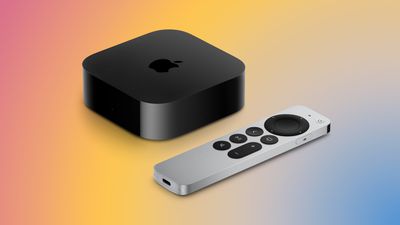 Apple's new Apple TV 4K uses an A19 chip with one efficiency core disabled, according to system diagnostic data shared by code explorer pdfu. That suggests a five-core CPU with two performance cores and three efficiency cores, compared with the six-core CPU in the iPhone 17.
 Apple on Monday will add a video podcasts section to the Apple TV app, bringing it to more than 1 billion devices that have the app, reports
 Note: MacRumors is an affiliate partner with some of these vendors. When you click a link and make a purchase, we may receive a small payment, which helps us keep the site running.

 Note: MacRumors is an affiliate partner with Amazon. When you click a link and make a purchase, we may receive a small payment, which helps us keep the site running.
 Note: MacRumors is an affiliate partner with some of these vendors. When you click a link and make a purchase, we may receive a small payment, which helps us keep the site running.

 Note: MacRumors is an affiliate partner with some of these vendors. When you click a link and make a purchase, we may receive a small payment, which helps us keep the site running.

 The fourth-generation Apple TV 4K began arriving to customers today, and some users