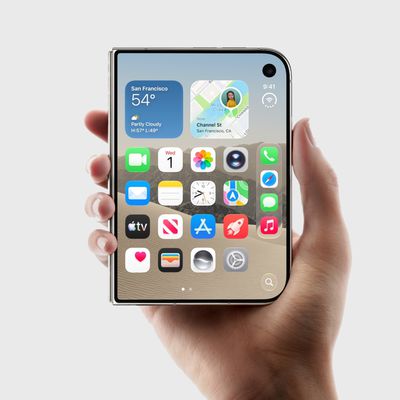
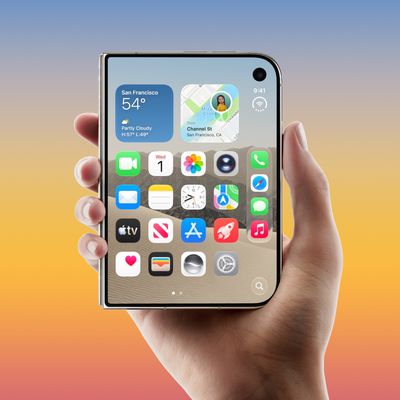
Apple Explains What's Inside the iPhone Duo's Folding Screen
The iPhone Duo's inner display uses a complicated, multi-layer structure that Apple says will hold up to wear and tear.

There are 10 ultrathin layers in total, including a nano-textured cover layer made from a custom polymer that Apple says is up to 40 percent stiffer than "other materials used in the industry," which presumably means other foldable devices.
Apple added high-strength glass above and below the folding display panel, along with a titanium plate at the bottom of the stack. Custom adhesives "allow the layers to glide past one another like the pages of a book, relieving bend stress," according to Apple.
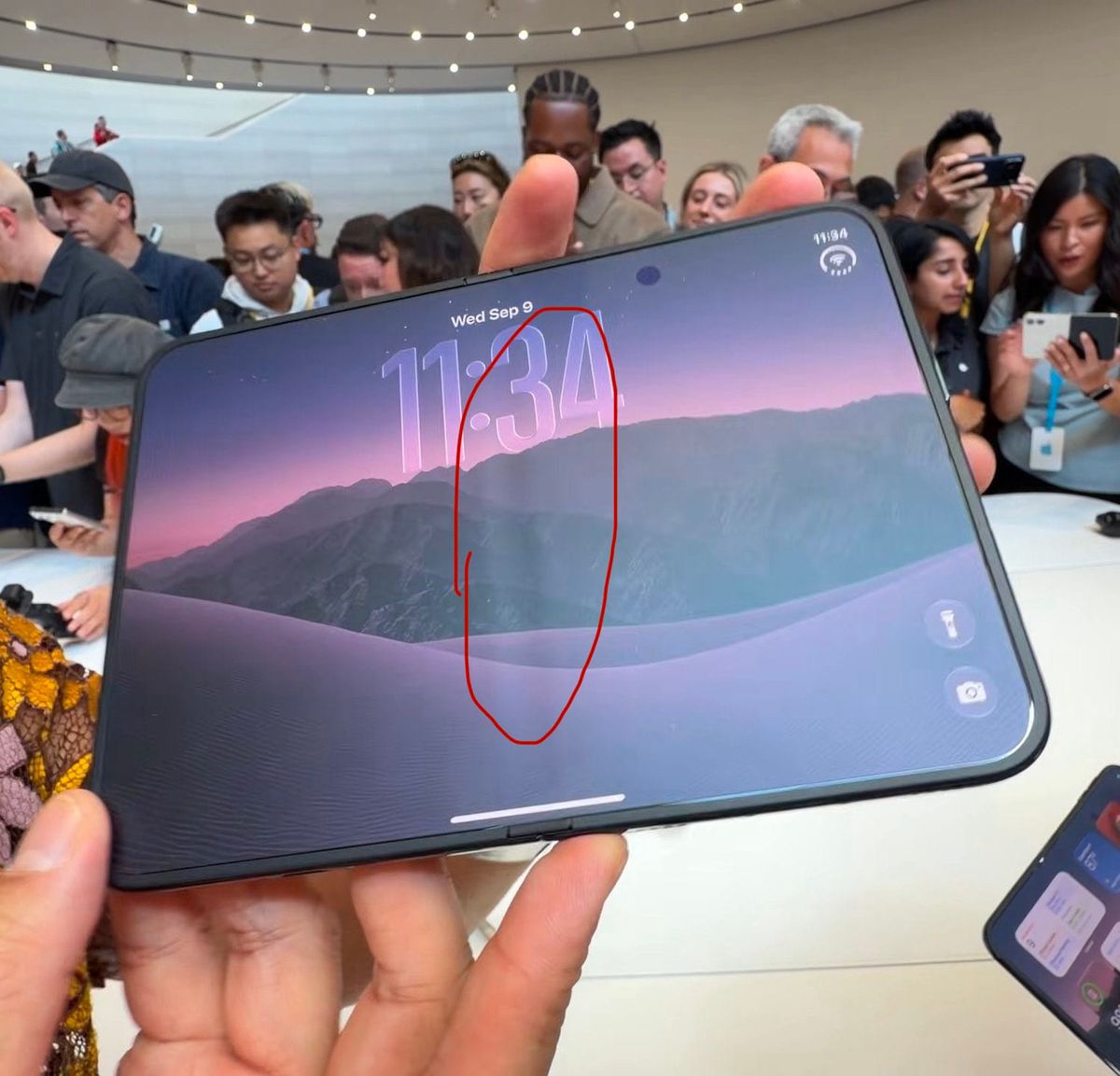
The exterior nano-texture layer's finish is meant to reduce glare and minimize the visibility of the crease, and a scratch-resistant coating covers the nano-texture layer.
The outer display is protected by Ceramic Shield 2 like the iPhone 18 Pro models, while the back of the iPhone has Ceramic Shield. The inner display gets the custom polymer cover instead of Ceramic Shield.
Both of the iPhone Duo's displays support ProMotion, Always-On, and True Tone, and offer 3,000 nits of peak outdoor brightness.
Popular Stories
Bloomberg's Mark Gurman today said Apple has four goals for future iPhone Duo models: Face ID, an Action button, a telephoto camera, and a thinner-and-lighter design. Gurman said Apple has already developed iPhone Duo 2 prototypes with Face ID on the outer display, but it is "running out of time" to finalize the feature for that model, so it might not arrive until the iPhone Duo...
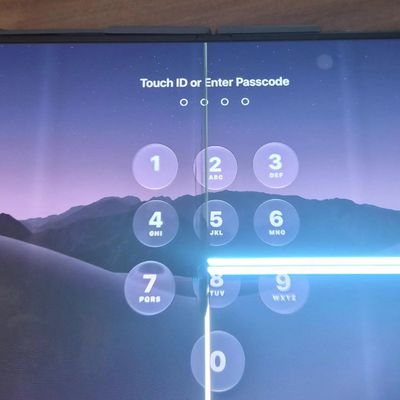
In a memo shared with Apple Stores and Apple Authorized Service Providers this week, and later obtained by MacRumors, Apple provided technicians with guidance on how to diagnose and address the iPhone Duo's inner display cracking issue.
If a customer reports the issue, Apple advised technicians to inspect the iPhone Duo and repair or replace it in accordance with their standard procedures....
Apple today added a new option for unlocking the iPhone Duo using the front-facing camera, giving device users multiple ways to access their content. The feature is available in the second iOS 27.3 beta.
The option to unlock with facial recognition is only available on the Lock Screen, and authentication via Touch ID is still needed for Apple Pay purchases, adding passwords and logins, and...