iPhone Air Weight: How Apple's Thinnest iPhone Compares
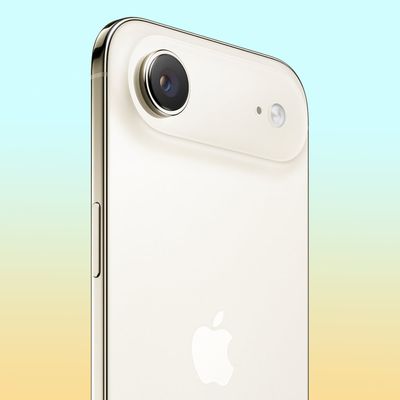
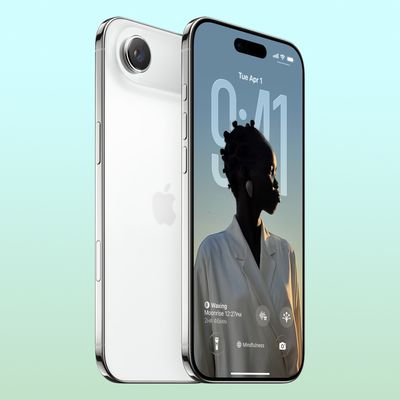
The new iPhone Air is Apple's thinnest iPhone to date, which means it's also lighter than the standard iPhone models. Apple also switched from titanium to aluminum for the iPhone 17 Pro models, resulting in some weight differences. Given these changes, Here's how the iPhone 17 weights compare to the iPhone 16 weights.
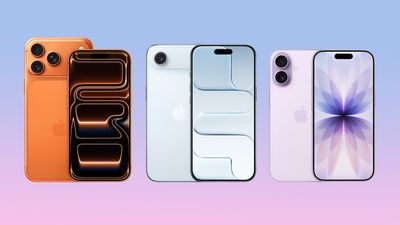
- iPhone Air - 5.82 ounces (165 grams)
- iPhone 17 - 6.24 ounces (177 grams)
- iPhone 17 Pro - 7.27 ounces (206 grams)
- iPhone 17 Pro Max - 8.22 ounces (233 grams)
- iPhone 16 - 6 ounces (170 grams)
- iPhone 16 Plus - 7.03 ounces (199 grams)
- iPhone 16 Pro - 7.03 ounces (199 grams)
- iPhone 16 Pro Max - 7.99 ounces (227 grams)
The iPhone Air is seven percent lighter than the iPhone 17, and 34 percent lighter than the iPhone 17 Pro Max. The thin design will make the device feel even lighter than its weight suggests, and it should be easier to hold for extended periods. While it is close in weight to the iPhone 17, it has a larger display.
The iPhone 17 and 17 Pro feature 6.3-inch displays, while the iPhone Air has a 6.5-inch display and the iPhone 17 Pro Max has a 6.9-inch display.
Popular Stories
Next year's "iPhone 20 Pro" models will use the same glass design as the iPhone Air, but with more pronounced curvature along all four sides, according to the leaker known as "Fixed Focus Digital."
In a new post on Weibo, the leaker said the device would use the same glass material as the iPhone Air, adjusted to have greater curvature and produce a four-sided curved effect. The accompanying...
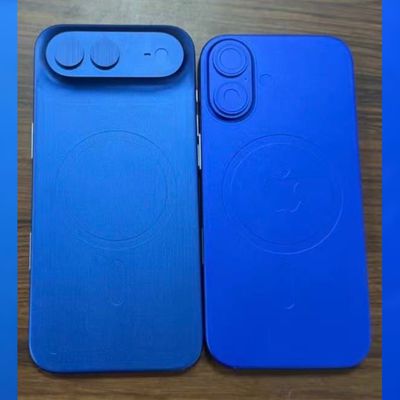
New images of dummy models offer an early look at the purported designs of the iPhone Air 2 and iPhone 18, showing a new dual rear camera arrangement for the Air and a largely unchanged appearance for the standard model.
In a new post on X, leaker Sonny Dickson highlights the iPhone Air's move from one rear camera to two as the biggest change. The standard iPhone 18, he says, retains a...
Apple's upcoming iPhone Air 2 will keep the same display specifications as its predecessor so the company can use existing OLED panel inventory, according to Korean publication ETNews. Citing industry sources, the report says new panel orders are expected to be minimal, with Samsung Display the sole supplier for the second-gen model.
The report contrasts with earlier expectations that Apple...